Extra Safety Measures for the URLIFE T2 20" Fat E-Bike
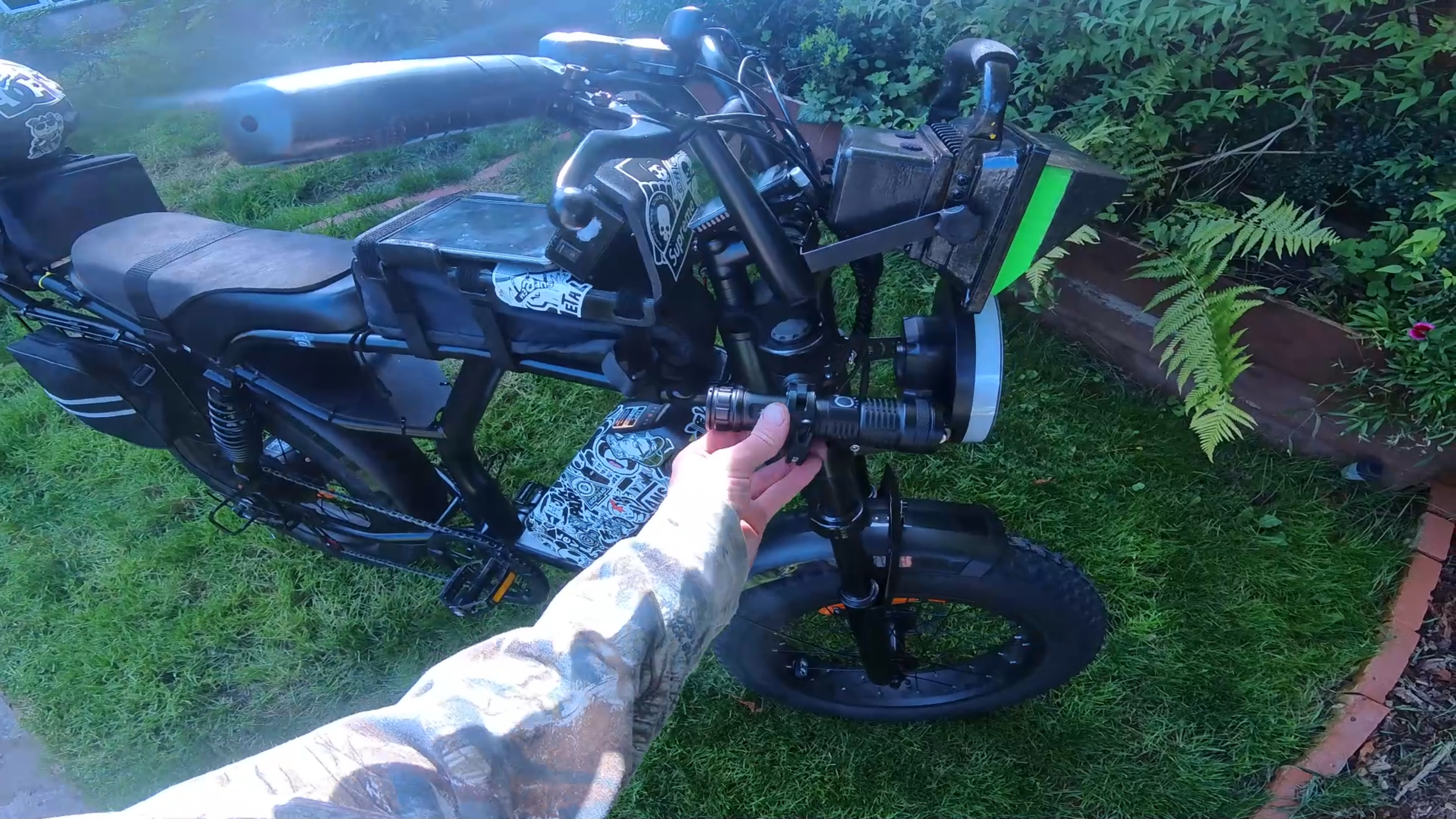
How I made my Urlife T20 20 E Bike Fat bike SAFE !and DOULED the MILAGE! 150 mile range
I'll be honest: I think the batteries are fine. Even so, lithium packs are worth treating with respect, and I've added a few cheap extras that give me peace of mind. Here's my setup.
1. Fit a dual battery discharge module
If you run both batteries, a proper dual discharge module is the single best upgrade. I paid about £25 for a 30A one with extra built-in protection, and here's me fitting mine:
It draws from the batteries in a balanced way rather than pulling everything from one pack, so neither battery is worked harder than the other.
Parts I used:
Male to female Deans T plug / XT60: https://amzn.to/3UUpL9X
Double battery discharge converter, 30A: https://amzn.to/3SfJS1I
(Affiliate disclosure: these are affiliate links. I may earn a small commission at no extra cost to you.)
Important: charge both batteries to 100% separately before connecting them to the module. Packs at very different voltages shouldn't be joined, and the module works best when both start full.
2. Upgrade the charger
The charger in the box looks like a 3A unit with no fan, and it got too hot for my liking. I swapped it for an Engwe 48V 2A charger, which has:
a built-in cooling fan
a display showing battery level
automatic cut-off when the battery is full
a proper fused UK 3-pin plug
It also takes about 4 to 6 hours to charge, which makes it easier to avoid leaving it overnight.
Charging rules I follow:
Charge one battery at a time.
Don't leave it charging while you're asleep or out of the house. A full-charge cut-off is a good safeguard, but it's not a reason to leave it unattended.
Charge on a hard, non-flammable surface, away from anything that can burn and away from your exit route.
Use a charger with the right output for your pack (54.6V for a 48V/13S battery), and only use certified (CE/UKCA) chargers.
3. Understand what protects the battery
A good battery has a BMS (battery management system) inside. It handles overcharge, over-discharge, over-current and temperature protection, and it balances the cells so one doesn't get charged more than its neighbours. The charger and the BMS work together. The charger supplies the right voltage and stops when full, and the BMS does the cell-level monitoring.
Most e-bike battery fires involve unprotected DIY packs, cheap or mismatched chargers, or damaged batteries. The cheaper and less certified the kit, the higher the risk. Overcharge and thermal protection reduce the risk a lot, but nothing makes it zero. Even big brands have had battery recalls.
4. Extra layers
Smoke detector: fit one in the room where you charge.
Fire-resistant charging bag or box: a purpose-made charge bag is the proper option. I've also heard of people using an old army ammo box lined with thin foam so nothing metal touches the terminals. If you go that route, don't seal it airtight, because a failing battery vents gas and needs somewhere to release it.
Check your old stuff: I've disposed of a laptop battery, a camera battery and a phone battery in the last 3 months. It's worth checking the attic for old devices and swollen batteries. Take them to a proper battery recycling point, not the bin.
Inspect regularly: don't use a battery that's swollen, dented, hot to the touch or smells odd.
5. About the 80% / 20% rule
You'll often hear "only charge to 80% and never go below 20%". That's mainly about making the battery last longer, not about safety. It's a nice habit if you want a longer lifespan.
Final thoughts
With a good charger, a protected discharge module and sensible charging habits, I'm no more worried about this than about my laptop charging on the desk. Im not an Expert or responsible for the manufacture or use of this just trying to make it safer
Common sense goes a long way.